I’m here to find out what it’s really like to be a male cheerleader and the struggles they may face.
If you’re from the cheer world, or if you aren’t, you’ll know that cheerleading is a popular American sport, and has been for many years. There are multiple spots offered across multiple platforms for both female and male athletes. But only in recent years has the popularity for cheerleading begun to grow in the UK. Recent success in many international competitions including the World Championships, The Summit, and NCA has really given the UK a name for itself, especially with our World Championship titles. All the success has increased the popularity and demand for male athletes.
Sam Thompson, who started his cheerleading career 10 years ago at Stars Elite in  Tamworth, is now a World silver medallist. There was only him and one other boy on the team when he started but this didn’t put either of them off. They continued coming to training each week and building up understanding and love of the sport. A few years ago, he then progressed onto Coventry Dynamite, where he was placed on a Worlds team, and has competed at Worlds multiple times with them, and Team England. He competed with Cali Ghost Recon where he became silver medallist
He says ‘Being a cheerleader today is a lot easier than it was 10 years ago when I first started. When I began cheerleading it wasn’t very male dominant and the majority of people didn’t even know what cheerleading was.’
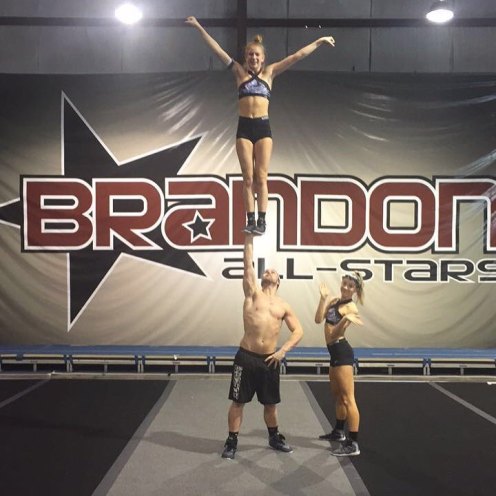 One of the large stereotypes that sam has faced was being labelled as gay for no other reason but because he was a Cheerleader. Sam says ‘However you describe your sexual preference is never right or wrong, but for people to presume you’re something that you’re not on a daily basis can take its toll. I have always been around dance, trampolining and gymnastics so have gotten used to it and developed a thick skin.’ This can be one of the hardest and most off-putting things for male cheerleaders to deal with. People not involved in cheerleading struggle to understand which can lead to name-calling and bullying, preventing boys from continuing in the sport or even giving it a go.
With the gymnastics world becoming more and more popular, thanks to the likes of Max Whitlock and Nile Wilson, who are some of the biggest names in the sport, cheerleading is slowly starting to become more accepted. The UK’s male gymnasts are some of the best in the world now, and recent success has led to more and more coverage resulting in more acceptance. Hopefully, if the UK’s cheerleading success continues the way it is, then the same will happen. Sam added onto this point saying: ‘The present-day dancing and gymnastics are in the spotlight and its cool if you do such sports. I wouldn’t say cheerleading is male-dominated, but it definitely has increased.’
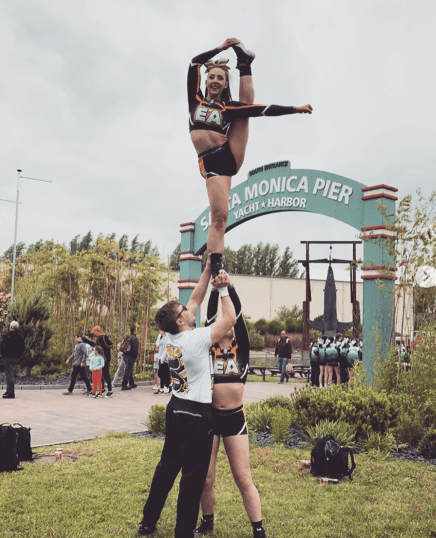 I also spoke to Kale Sungur Head Coach and Director of Evolution Athletics. He says “I got into cheerleading through University, admittedly for the wrong reason (I fancied a girl on the team). Long story short he got the girl but then she dumped him, however, he’s continued cheering ever since.’ He thinks the biggest struggle as a male cheerleader is meeting new people and telling them that he is a cheerleader. There’s always the question “With the pom-poms and stuff?”. He used to really go into detail to try and explain the competitive side of it but now he either just nods his head and agrees unwillingly or shows a video of @constantinstalzer and says ‘This is exactly what I do every session. But for some reason, they don’t buy it.
His advice to new male cheerleaders would be, ‘whatever your goals are in any sport, push to achieve them every session. I’ve done cheer for quite a while now but I wasted a lot of time not pushing myself and I really regret it.’
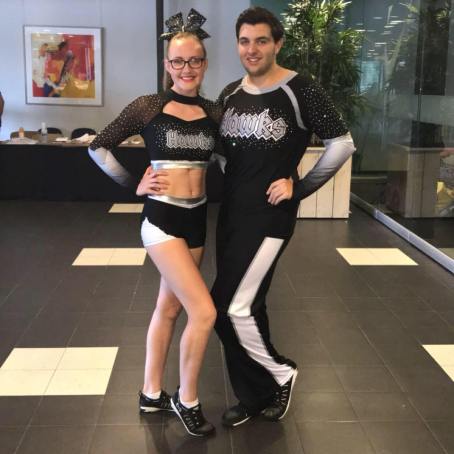 Jake Martin only started cheerleading 3 years ago. He was looking to get back into gymnastics but stumbled across a local cheer team which made him fall in love with the sport. He said ‘The biggest issue had been trying to educate people that cheer isn’t an all-girl sport, and there are a lot of males involved. The best advice I could give for any new male cheerleaders would be to just ignore and avoid any negative comments that come your way. It’s such a great sport and you can find so much support from everyone in the cheer community.’
Personally, I don’t necessarily think the whole problem completely lies with the fact that people stereotype males in cheerleading, I think they stereotype cheerleading itself. Yes, there are always going to be people who stick to silly stereotypes and put labels on people, but others may just need to be made more aware of the sport. Whenever I’m at university and talk about the cheerleading team to my course mates (who are all boys) they do not regard it as a sport. Their idea of cheerleading is the classic dancing around, chanting and waving pompoms, and that’s about it. They have no idea of the stunting, tumbling, jumping, strength and stamina involved. I think maybe if they understood the physicality of the sport, then not only would the sport get the credit it deserves, but the athletes would too, regardless of gender.
If you want to keep up with Sam, Jake and Kale you can follow them on Instagram @kalesungurcrane @samtbm @jakeymartiin
All in all, I think the number of male cheerleaders, and the outlook on male cheerleaders are improving. I have learnt that the rate of acceptance has improved quite a lot over the years, and many male cheerleaders have learnt to ignore negative comments due to the love of the sport. I think we still have a way to go in terms of educating people outside of the sport, for male athletes and just the general outlook of the sport. However, if cheerleading keeps progressing the way it is, and people such as Sam, Jake and Kale continue to be advocates for the sport, as well as all the other male athletes involved, I see no reason why we can’t steer away from negative cheerleading stereotypes.
If there are any male cheerleaders struggling with negativity, either just starting out or those that have been in the sport a while, I’m sure there are many many athletes that would be happy to speak to you about their experiences. My advice would be don’t give up on what you love just because of a few people that don’t understand the sport. You never know, you could end up at the Worlds – maybe even become a World Champion.


Discover more from The UK's number one Cheerleading Blog
Subscribe to get the latest posts sent to your email.
