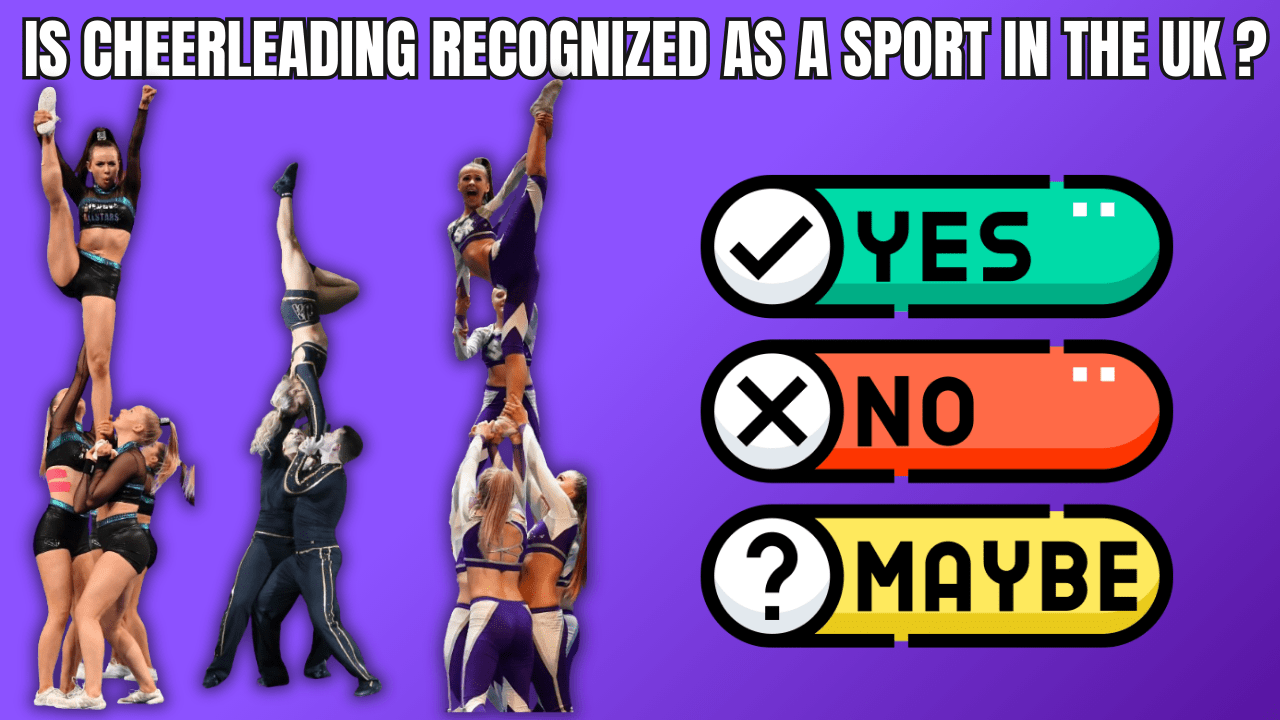
Is cheerleading recognised as a sport in the UK?
Curious if cheerleading is more than just pom-poms and chants? You’re not alone. The debate over whether cheerleading is a legitimate sport has been ongoing, but there’s a side to this activity that most people never see. Imagine athletes performing high-flying stunts, gravity-defying tumbles, and synchronized routines that push physical limits—all while maintaining a level of precision and teamwork that rivals any competitive sport. In this article, we dive deep into the world of Allstar cheerleading, explore its path to Olympic recognition, and break down the intense athletic demands that set it apart. Whether you’re a skeptic or simply intrigued, this read might just change how you view cheerleading forever.
Before we dive deeper into, Is cheerleading recognised as a sport in the UK?, let’s introduce you to Cheer From Head To Toe (CFHTT), a platform that has been championing the UK cheer community for years
Cheer From Head To Toe (CFHTT) was born out of a need to address the inadequate representation of the UK cheer community online. Over the years, our platform has transformed into a comprehensive resource dedicated to empowering and educating athletes, cheer dancers, coaches, cheer parents, and anyone eager to accelerate their learning and excel in this dynamic sport. If you want to learn more about UK cheerleading make sure you subscribe to a newsletter

Looking to become a better cheerleader join our newsletter?
Join happy subscribers to unlock the secrets to becoming a cheerleading expert! Don’t miss out on exclusive tips, tricks, and insider knowledge. Subscribe now and enhance your cheerleading skills today!
Before answering that, it’s important to clarify that we’re specifically discussing Allstar cheer, which is a form of competitive cheerleading. This includes stunts, tumbling, jumps, and dance, all of which require strength, flexibility, coordination, teamwork, and individual skill.
As someone who’s been involved in various sports, I can attest that cheerleading is one of the most physically and mentally challenging activities I’ve ever experienced.
Many cheerleading organisations, governing bodies, and event providers have considered Allstar cheer a sport for years.
In 2016, the International Olympic Committee granted provisional recognition to cheerleading, making it eligible for funding and special grants.
Cheerleading shares many similarities with other sports, and in my opinion, exceeds the athletic standards of many of them. It has official competitions at the regional, national, and world levels, with specific routine requirements based on age and difficulty level. There are also cheer legality rules to ensure safety and proper skill progression, as well as an age grid to ensure that participants are grouped with others of similar ages.
If you still doubt whether cheerleading is a sport, watch this video. It’s clear how physically demanding and competitive the sport can be. Cheerleaders perform death-defying stunts and jaw-dropping tumbles that push their bodies to their limits.
In July 2021, the International Olympic Committee voted to grant full recognition to the International Cheer Union and cheerleading, making it eligible to apply for inclusion in the Olympic Games.
Cheerleading is now officially a sport and on its way to competing at the Olympics, where it rightfully belongs.

Despite this, cheerleading still faces stereotypes based on inaccurate depictions in movies and TV shows. Some people still argue that it’s not a sport, but if you feel that way, I’d love to hear your reasons in the comments below.
In conclusion, Allstar cheerleading has evolved far beyond the traditional stereotypes, establishing itself as a demanding and highly competitive sport in the UK and globally. The combination of stunts, tumbling, jumps, and dance requires not just athleticism but also teamwork, discipline, and mental toughness—qualities inherent to any recognised sport. With the International Olympic Committee’s recognition and the growing structure of regional, national, and international competitions, cheerleading now meets the criteria of an official sport. Despite lingering misconceptions shaped by media portrayals, the undeniable skill and dedication required in competitive cheer prove that it is deserving of its status as a sport. As cheerleading continues to break barriers and gain recognition, its inclusion in the Olympics could be the next milestone that solidifies its place in the world of sports.
Found what you have read useful sign up to our mailing list to learn even more about UK cheer.
Looking to become a better cheerleader join our newsletter?
Join happy subscribers to unlock the secrets to becoming a cheerleading expert! Don’t miss out on exclusive tips, tricks, and insider knowledge. Subscribe now and enhance your cheerleading skills today!
Discover more from The UK's number one Cheerleading Blog
Subscribe to get the latest posts sent to your email.
