As the sport of cheerleading progresses many teams are looking at what teams they offer and whether they have the opportunity to begin accommodating for Adaptive Abilities Athletes. I talked previously in my article on Adaptive Abilities Cheer about the opportunities for Athletes to get involved and join already established teams, but what about those programmes who are interested in starting an Adaptive Abilities team and don’t know where to start?
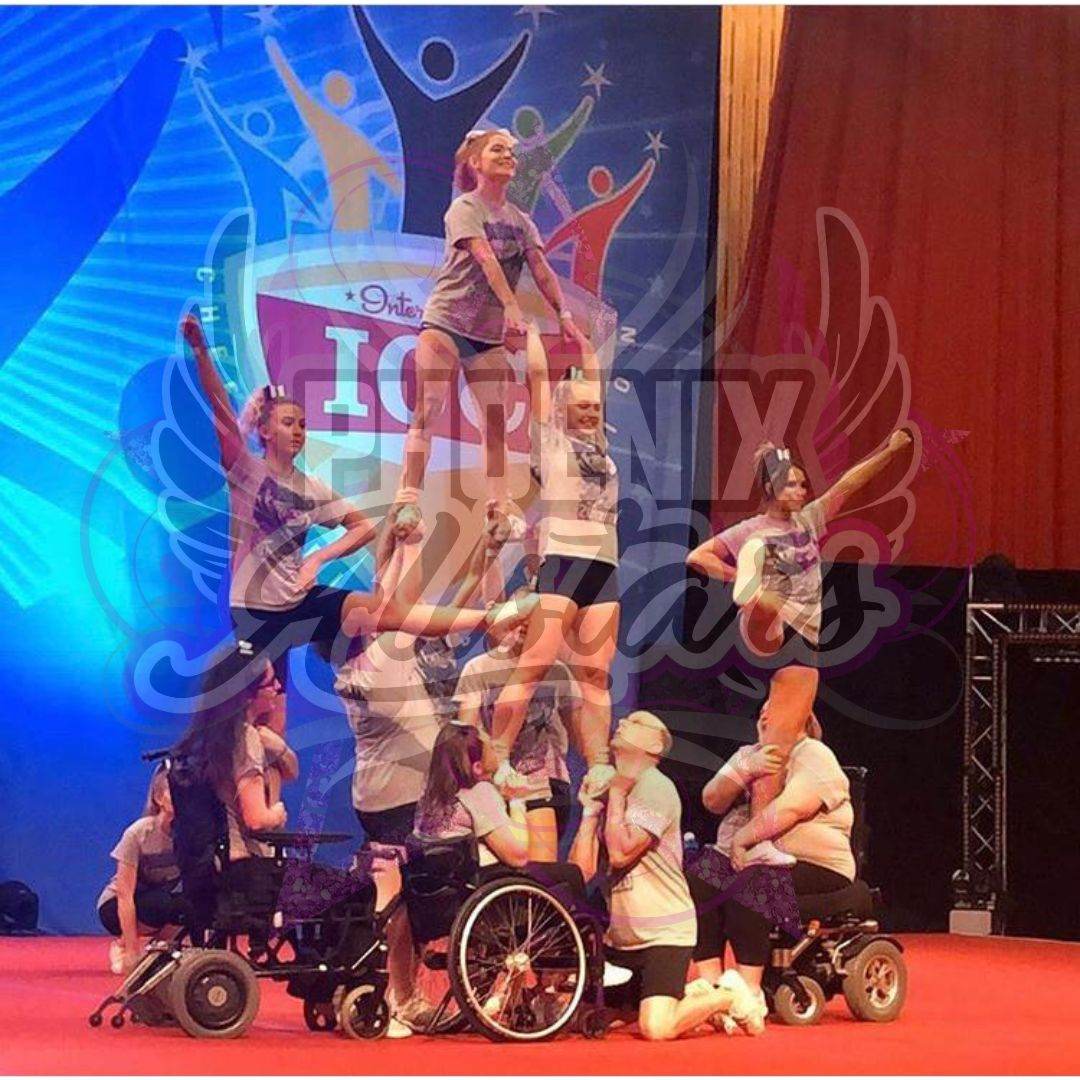
Speaking on behalf of Phoenix Allstars who currently have an Adaptive Abilities Level 1 team, the decision to introduce an inclusive Adaptive Abilities team was not a deliberate one. At the start of the 18-19 season an adult cheer for fun class was introduced with the possibility of developing into a Masters competitive team. While some work had been done to consider the option of an Adaptive Abilities team and some training was completed to facilitate this, the move to an AA team was only made once athletes contacted to see if Phoenix Allstars had a place for them. As a programme we look to be as inclusive as possible for all athletes, and embraced the opportunity to introduce an AA aspect to our competitive teams.
There are a number of areas to consider when introducing an Adaptive Abilities team. I talked directly to Rick Rodgers at ParaCheer International to gain an understanding of the most important things to consider. The first piece of advice was to look at the venue itself and ensure it is accessible to all individuals with additional needs. There are a number of resources available on www.paracheer.org to assist with this, but ultimately individual risk assessments need to be carried out per venue used. For Phoenix Allstars, we have a number of athletes using wheelchairs so we had to ensure our venue allowed them to access and exit the venue safely, as well as ensuring we have accessible parking options.
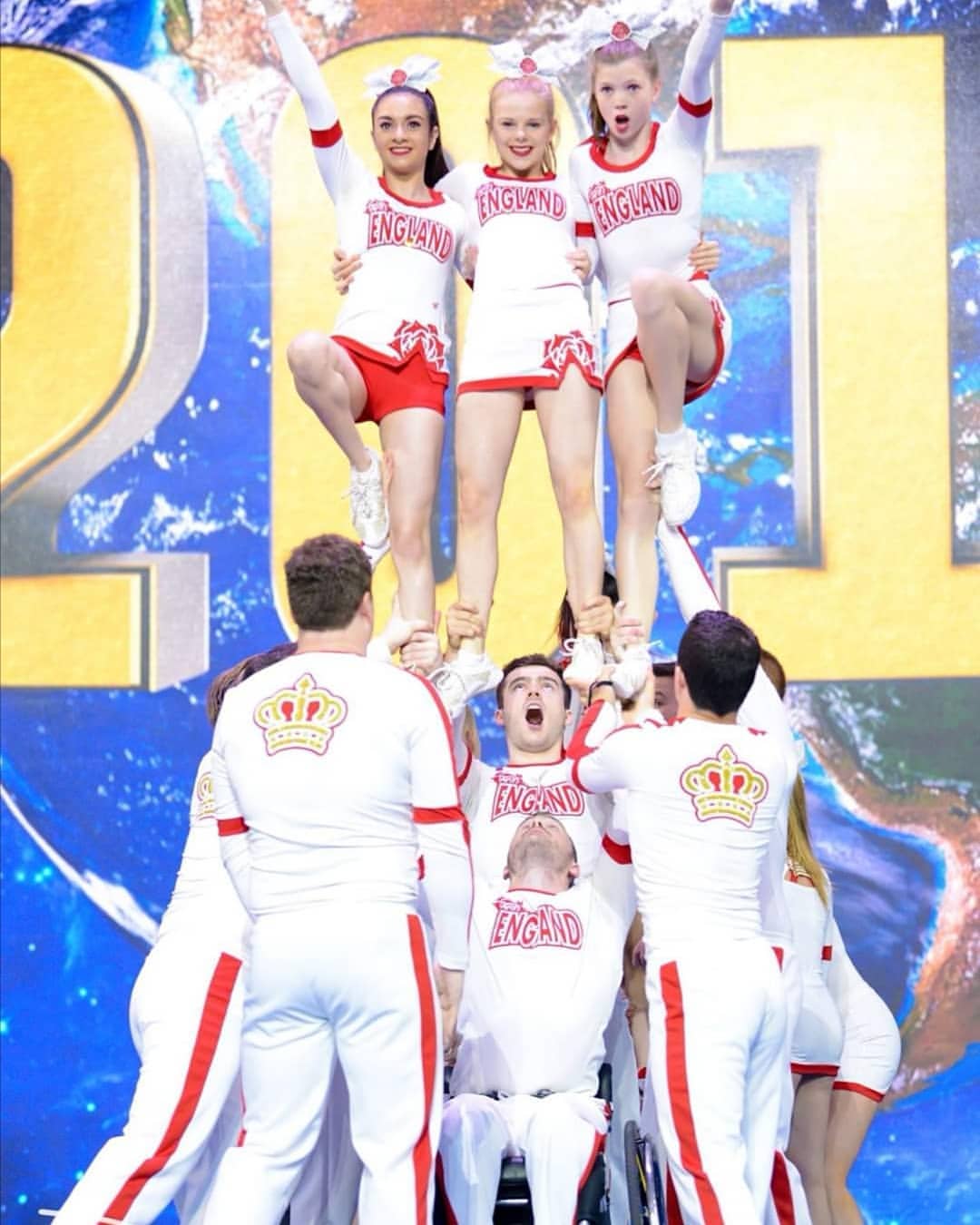
The next area to consider is providing any additional safeguarding practices for athletes. This may involve updating all policies for the programme to focus on inclusivity and extra safety concerns. Some insurance policies require coaches to complete additional qualifications to be completed, so always worth looking into this too. Cheerleading specifically do not yet have any specific qualifications for Adaptive Abilities, but there are a number of workshops and courses available to support coaches in their understanding of inclusive practice. Disabilitysportscoach.co.uk among others also provide an Elearning course focusing on Disability awareness in sport that may be beneficial to coaches working towards an Adaptive Abilities team.
Ultimately I have found that coaching Adaptive Abilities (as well as coaching All Star Teams in general) needs to be predominantly Athlete led. Athletes are aware of their own needs and are best placed to advise on any extra help/allowances they may need to train and compete safely and effectively. It is also worth including their healthcare professional in these decisions. While overarching policies are always useful, it is important to realise that every athlete is different and may need different adaptations depending on their condition or needs.
Once an Adaptive Abilities team has been introduced, the next thing to consider is routine choreography! Again there are a number of resources available on www.paracheer.org to assist with this, but ultimately the decisions need to be made based on the athletes. It is important to ensure all athletes are included in the best way possible to create a strong routine, while also taking into account any additional needs. Ultimately, as long as everything is safe and legal there is a great opportunity available to create creative stunt sections that allow all athletes to be involved. For example, Phoenix Allstars were struggling with height differences between standing and seated bases. To overcome this, the standing athletes often complete sequences kneeling to accommodate.
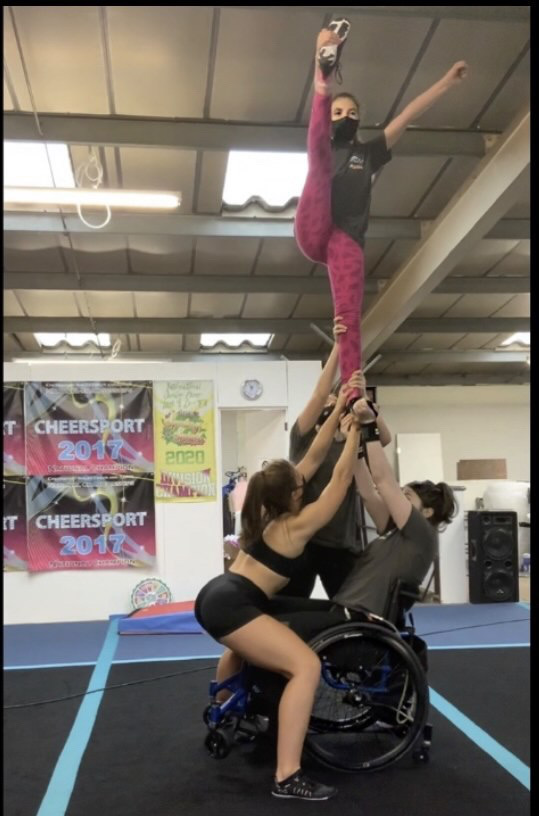
My biggest piece of advice when coaching an Adaptive Abilities team is to embrace the opportunities and learn as much as possible. In a constantly evolving and changing sport such as Cheerleading new resources and opportunities are appearing every day, and the more the community embraces Adaptive Abilities the more this area of the sport can continue to grow.
Have question please email info@cheerfromheadtotoe.co
97% of people who follow CFHTT website enjoy following our social media platforms
@Cheerfromheadto
Discover more from The UK's number one Cheerleading Blog
Subscribe to get the latest posts sent to your email.

One thought on “How to Get Started in Adaptive Sports”