1: Social distancing
We might be introducing non stunting divisions, engineering new ways to stunt socially distanced,
focussing on our tumbling and jumping to keep doing what we love while protecting everyone. One
great way to be able to adapt to the times is by adding dance teams to your programme. While lifts
and contact is common in dance routines, you can choreograph without it and therefore there is the
option to have teams that can power through the pandemic where social distancing affects it as
little as possible. It also allows your athletes to train routines of similar length as a cheerleading
routine, thereby building back up stamina. Just be careful of your formation transitions!
2: Improves skills for cheerleading
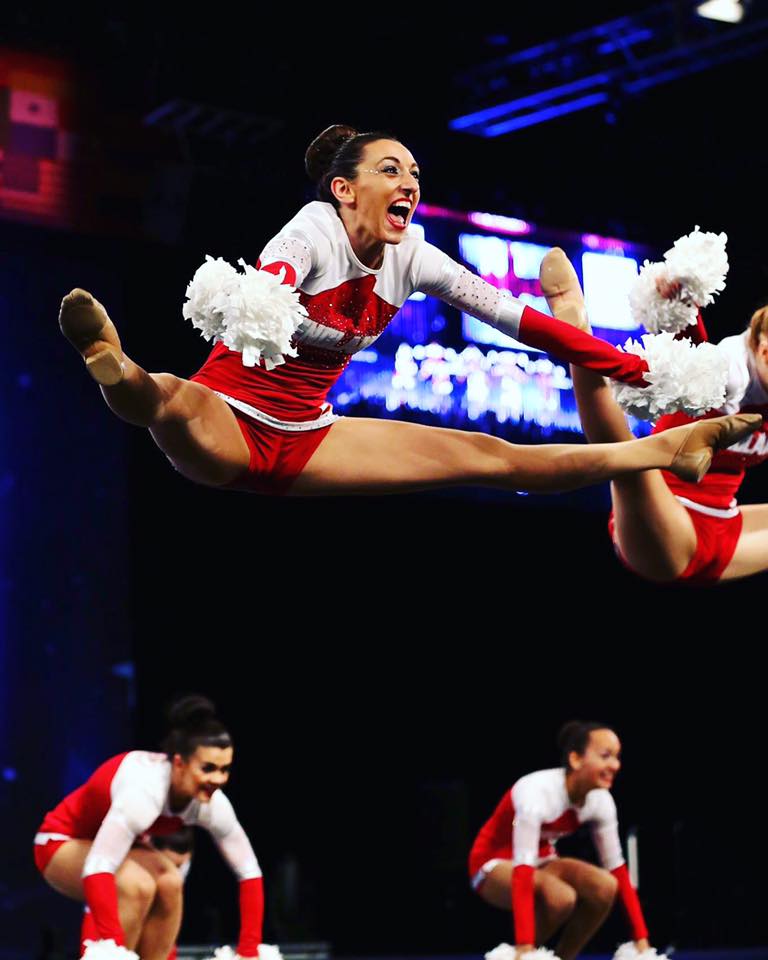
Pom: The closest style to cheerleading, doing Pom offers great muscle strength and stamina
training. Pom is a fast style and breaks are rare. Often there will be multiple moves within a count
(which has already been sped up to 150bpm plus, faster the better for Pom) and you have motions
or transitions straight into and straight after skills meaning there is no recovery time. Added to this,
Pom done well requires every move to be hit with a decisive force to get the signature “wow”
effect. If your arms don’t kill after an hour of Pom, you’re not doing it right. Pom is 2 minutes plus of
unresting power. The result of this for cheerleaders means improved stamina to nail that jump or
tumble section at the end of a routine, and the strength training will add finesse and power to
jumps, tumbling and end dance. It sharpens and re-enforces cheerleading motions, jump power
and technique and turn practice immeasurably improves core strength and balance which is a
great skill for flyers to work on. A dance competition floor is not as cushioned and dance shoes not
as forgiving as cheer shoes for jumps in my opinion and it does require slightly more power and
technique to have nice jumps (make sure to land with your feet together or you risk injuring an
ankle and toes pointed or you will lose marks). Jumps on a cheer mat after working on them in a
hall or with dance floor feel easier and higher. It is also a fantastic way to improve performance
given that the type of performance facials and style is the same for both Pom and cheerleading. As
a quick style that demands precision, it will also improve athletes’ ability to pick up choreography
and execution of that choreography which are skills that can really improve your cheerleading
score sheets
Jazz/Lyrical:
Jazz and Lyrical are grouped together here because they offer similar benefits for
cheerleaders but we will be doing an article on the differences between them later in the season.
Both styles encourage a progression in musicality – an athletes ability to hear and react to nuances
in the music. Hearing and reacting prepares athletes for if their music cuts out at competitions and
teaches them to react appropriately to music cues enhancing their performance. Emphasis on
beautiful lines in both jazz and lyrical is a beautiful way of working on both technique for flyer
stretches and team flexibility. Team flexibility is super beneficial for jumps, tumbling and for adding
in cool visuals in the end dance. Actual cheer stretches such as scorpions or scales are most often
used as highlight skills but even a simple team kick allows athletes to practice placement and
flexibility for heel stretches. Practicing Firebird jumps stretch for scorpions. A very direct way to
improve flexibility in a fun, rewarding way.
Hip Hop:
The intricacies and speed of hip hop choreography improves an athletes ability to be accurate and pay attention to detail. Hip Hop also relies on learning and perfecting a uniformity
which is incredibly useful for cheerleading. Hip Hop places great importance on formations being
perfect to best show off visual effects. If you would like your athletes to nail their formations in
cheerleading, hip hop (and Pom) are fantastic ways of improving this. In hip hop are also great
tricks that can help your athletes practice tumbling in a routine in this socially distanced world, such
as corkscrews, kip ups, headsprings, front or back somersault and aerial skills. The various hip hop
styles also translate phenomenally well to end dance variety, confidence and performance.
Please note that sometimes the benefits above do cross over, in which case (for example
musicality would definitely apply to all three!) I have picked the division I think best represents this
benefit.
3: Boom in popularity-growing divisions
Allstar Dance is really strong in the north of England and Scotland, and growing rapidly in the
south. If there is no dance team in your area, you might be missing a trick and you should probably
start one before someone else does. Our advice is to check your surrounding area for dance
teams first to see if it is an area you want to go into. For example, there are at least 8 Allstar dance
teams in Manchester and at least 6 in and around Glasgow so if you are from there it is quite a
crowded market. We will shortly be releasing a tool to help with this.
4:Amazing role models
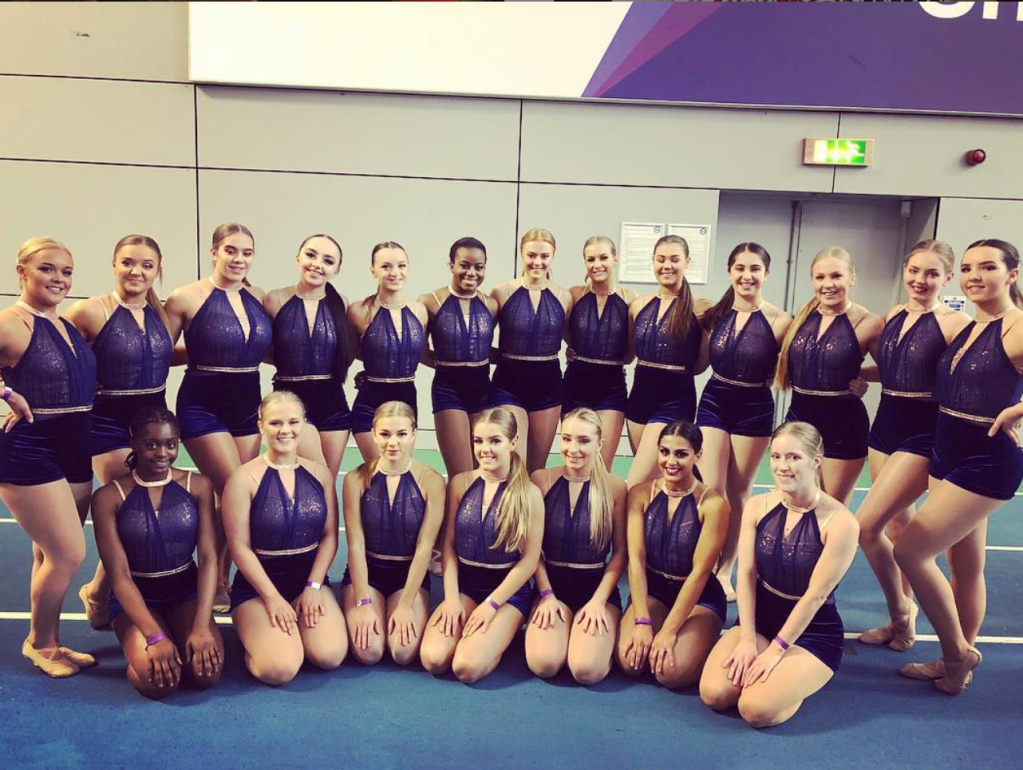
Teams England, Scotland and Wales are all amazing role models, doing fantastically every year. I was quite gutted, being half-Northern Irish, that Team Northern Ireland hip hop didn’t get their debut last year but I know they will be fantastic too. We also have many world leading Allstar dance teams in the UK, with so many placing in the top ten and ADA Dark Angels even winning in 2019. Then going on The Greatest Dancer for good measure.
5: Qualifications easier to get than ever
With ICU, BCA and BGU moving all their dance coach credentialling courses online, it has never been easier to learn and gain your qualifications. Make sure to take advantage of it! Message them for more information.
6:University Threatened seasons
For those offering sessions for adult age athletes, dance cheerleading is getting increasingly more popular and more competitive at university level and there are a growing number not wanting to retire. With COVID 19 ruining many university cheerleaders final seasons and an increasing amount of universities banning or postponing sports activities for 2020/21 academic year, many of the affected athletes might look to Allstar in order to continue training.
7: Money
Dance is typically less expensive than Cheerleading at present. For starters, starting a dance team requires no equipment other than a hall or studio. You could theoretically even start in a park. We have seen many dance teams training outside observing social distancing at the moment. Uniforms are typically not as expensive as cheerleading (the worlds teams have fairly expensive uniforms but you can still get wonderful ones for under £80 each). Shoes are cheaper – you’re looking at £30-40 for top end dance shoes. I will be recommending some dance suppliers at a later date.
Sounds great, but need a little help? Next week we will be showcasing some experienced UK based freelancers that can help all teams from new to experienced in order get the most from each style.

Written by Emma
97% of people who follow CFHTT website enjoy following our social media platforms
@Cheerfromheadto
Discover more from The UK's number one Cheerleading Blog
Subscribe to get the latest posts sent to your email.
