
The Pro Cheer League has been celebrated as cheerleading’s long-awaited arrival into professional sport, promising pay, prestige and legitimacy for athletes who have historically received little financial reward. Yet as excitement builds, an uncomfortable question emerges: is this a global breakthrough, or simply a new chapter in an already American-dominated system? As the sport moves toward professionalism, the implications for UK and international cheerleaders reveal both genuine progress and persistent inequality.
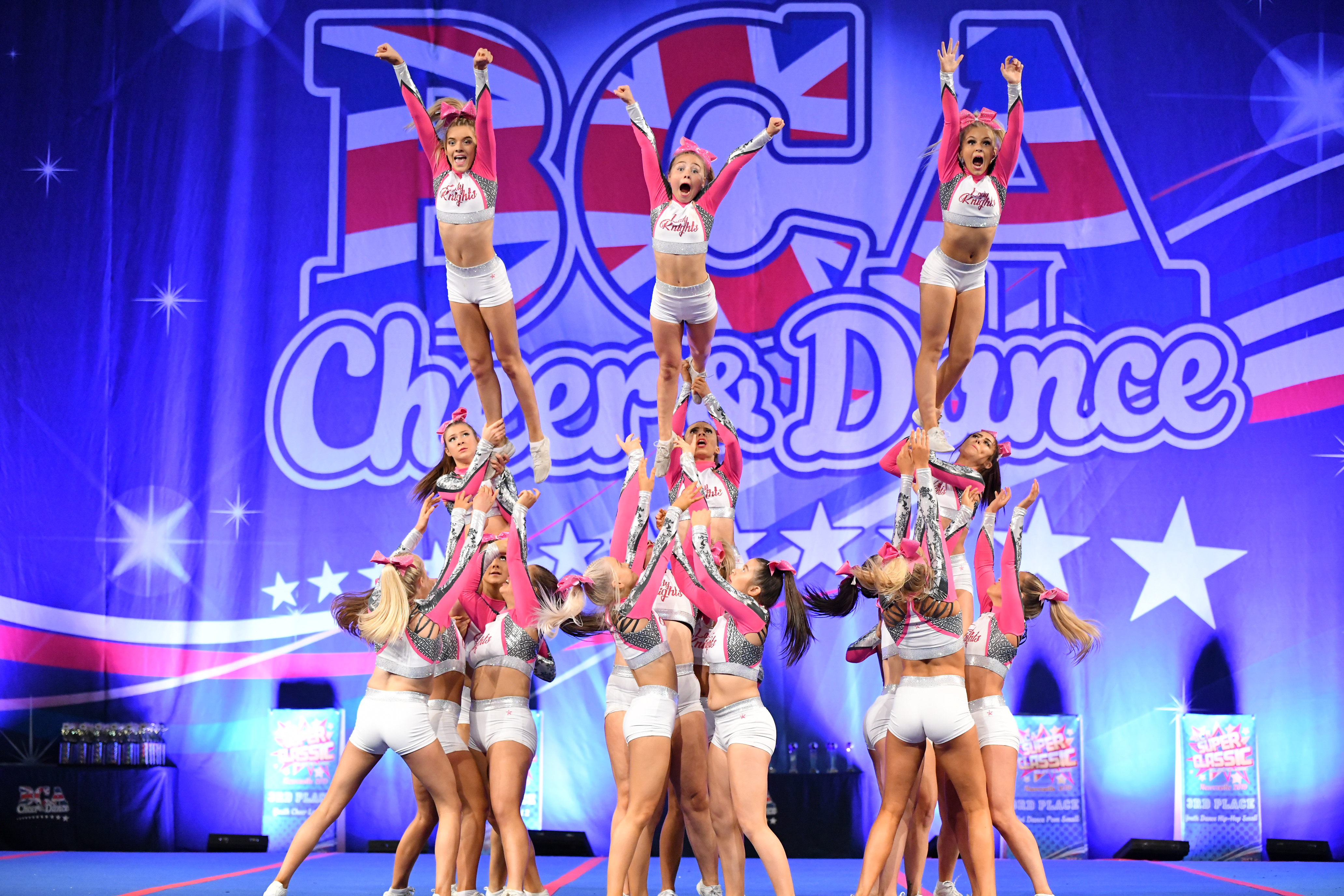
The launch of the Pro Cheer League has been widely described as a historic moment for cheerleading, but who truly stands to benefit?
Since the transition of sideline cheer to competitive cheer, which we now call Allstar, competitive cheer has chased legitimacy and funding.
What is discussed far less openly is the financial reality that underpins that aspiration.
For athletes who chase the ambition of winning NCA, Worlds or Summit, a single season can easily cost £5,000.
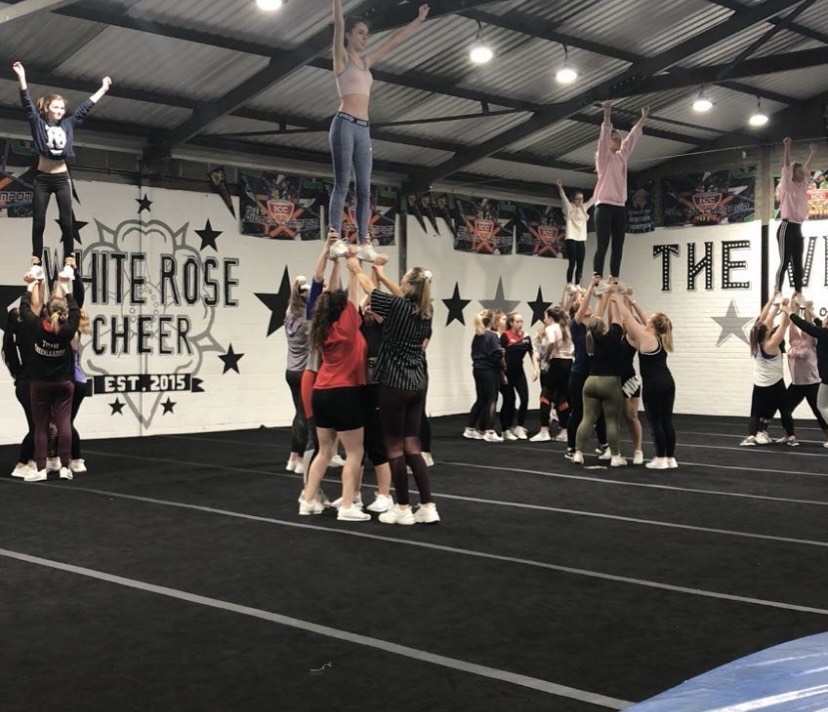
The consequences of this structural system are financial and emotional strain for families.
To obtain the ultimate reward a tier system of advanced specialized skills is required heavily dependent on time, money and freedom to travel.
The Pro Cheer league was marketed as the world’s first professional cheerleading league, it promises something the sport has long been denied: validity and, crucially, pay for athletes. For a community that has spent decades fighting to be recognised as a sport , this feels like a win.
But when viewed through a UK and international lens, the picture becomes more complex.
At its core, the Pro Cheer League represents an evolution in how cheerleaders are positioned. Athletes are no longer framed solely as competitors, but as professionals taking part in a season-based league, aligned more closely with mainstream sports structures. That cultural shift matters. It challenges outdated genre driven narratives about cheerleading and reinforces what many have said for years: this global sport warrants respect.
For decades, elite cheerleaders have trained, travelled and performed at the highest levels with little to no financial return.
The fact that athletes are being paid at all is significant and should be celebrated.
To date UK Governing Body Sport Cheer England board and committee members work on a voluntary basis.

As of the latest updates (2025), the organisation has been functioning as a self-funded entity without a paid executive team, with board members performing operational roles while maintaining Full time jobs.
In the United States the governing bodies are USASF and USA Cheer, which have historically had strong financial and operational links to Varsity Spirit, including direct funding and support for senior leadership roles. Although legal action and settlements in 2023 led to reforms intended to limit this influence, these organisations continue to function as professionally staffed entities rather than volunteer-led bodies.Their income is largely derived from membership , competition and event registrations, and the sale of educational programmes and certification courses.
While reported payments within the Pro Cheer League appear to be appearance-based rather than salaried and are unlikely to replace full-time income, this should not be underestimated.
Payment acknowledges value, and that alone is a meaningful step forward.
However, it is also important to be open-eyed about what this league currently is, and who it benefits.
Although Cheerleading is a global sport if you want to achieve legacy status you must follow the American cheerleading system.
While cheerleading has evolved into a global sport, the routes to legacy and elite recognition remain disproportionately concentrated within the American competitive framework.

The system requires competing at US competitions on US soil. Follow American rules, guidelines and structures for routines although the rules are slightly adapted for international teams.
The Pro Cheer League is firmly rooted in the American cheerleading system. The athletes most likely to benefit are those who already sit at the top of an American system that has far greater resources, exposure and financial backing than most cheer communities worldwide could ever dream of.
Consequently, they have opted for Familiar faces such has Gabi Butler and Angel Rice are well known faces in the cheerleading community. Who come from trusted gyms like Cheer athletics and Top Gun Allstars giving the league credibility. The shift of the entry age being 18 with no upper age limits allows for whole new revenue stream as most American athlete age out of the sport at 18.
There is also the question of governance and power. With the league operating within an ecosystem already dominated by major US organisations, concerns around control, access and influence are inevitable. For international cheer communities that have worked hard to develop independent pathways, this concentration of power deserves scrutiny, not cynicism, but honest discussion.
Ready to elevate your Allstar cheer journey? Subscribe
Join the Cheer From Head To Toe newsletter for expert UK-focused insights, coaching strategies, competition guidance, and practical resources designed to help athletes and coaches excel. Learn smarter, stay ahead, and access trusted cheerleading knowledge delivered straight to your inbox consistently..



The Pro Cheer league has announced its self as the pioneering platform. Nevertheless, representation of Allstar Athlete had been carefully curated and narrowly defined.
Dismissing the representation of international athletes which perform at the same standard as their American counterparts but remain absent from the league’s, it reinforces existing hierarchies and silent elitism within the sport.
Teams such as Unity Black in the UK, four-time world champions known for complex pyramid construction and performance intensity, or Chinese Taipei, whose routines consistently push the sport’s technical and creative boundaries, demonstrate that innovation is not geographically confined. Finland’s elite programmes are widely respected for their synchronisation and execution, while Australia’s Outlaws Allstars have built an international reputation for precision and programme culture.
Including teams of this calibre would not dilute the league’s credibility; it would strengthen it.

More importantly, it would acknowledge a reality the sport has silently understood but rarely institutionalised: that cheerleading’s highest standards are global.
There is currently no route for British athletes to enter the league, and no clear indication of when or if international expansion will happen
For now, UK cheerleaders remain spectators rather than participants in what is being billed as a global milestone.
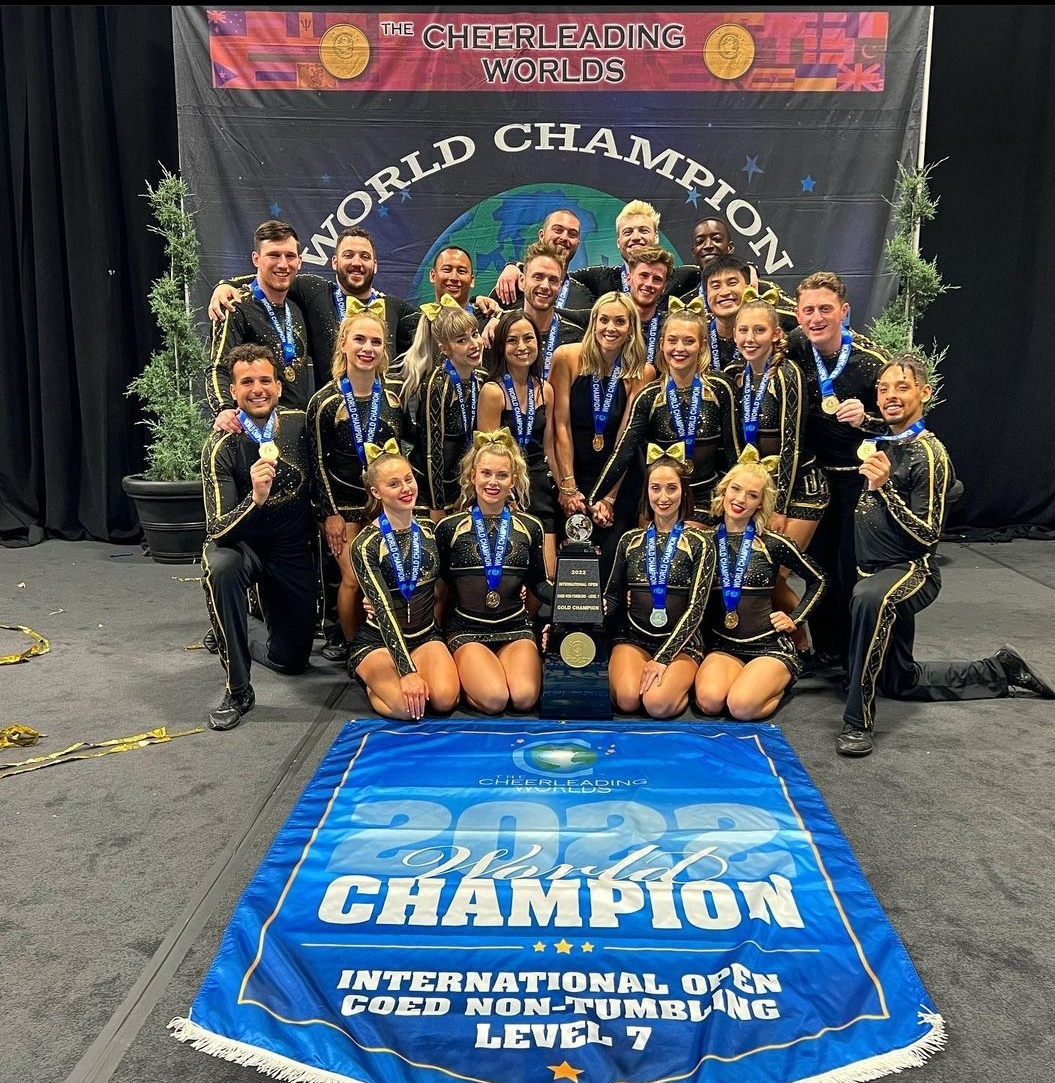
That said, dismissing the Pro Cheer League as a gimmick would be overly simplistic.
It has already achieved something cheer has struggled to do: it has sparked a movement to create change. It has forced the sport to confront uncomfortable truths about unpaid labour, athlete value and long-term career pathways. It has given cheerleaders a pathway to professional sport, and that has significant power.
The real test will be what happens next. If the league remains America-focused, with international athletes positioned only as consumers, its impact will fizzle.
For the UK cheerleading community, this moment should be examined strategically.
Not simply to admire what is happening overseas, but to strengthen arguments at home for better athlete welfare, funding, sponsorship and recognition.
Professional cheer should not be something British athletes watch from afar. It should be something they are actively shaping.
If the Pro Cheer League continues, it needs to be more than an extension of the American cheer system. UK and other international communities must be central to the discussion of the expansion of this sport.
If you found value in this article, share it with another coach, athlete, or cheer parent who wants to grow and improve. Every shared resource helps strengthen knowledge across the UK Allstar cheer community and supports better coaching, safer athletes, and stronger teams. Together, we raise standards and help everyone excel.

Stay connected with Cheer From Head To Toe for the latest UK cheerleading news, eligibility tools, competition insights, and expert resources.
Follow us on Instagram@cheerfromheadtotoeuk and Facebook @CFHTT to stay up to date.
Need support with your coaching course, programme structure, or team development? Message us directly to find out more about our one-to-one consulting and personalised guidance.
If you found this article helpful, please share it with fellow coaches, parents, and athletes to help strengthen and support the UK cheer community.
Discover more from The UK's number one Cheerleading Blog
Subscribe to get the latest posts sent to your email.
